Digital Reputation Is the New Resume: What Employers Really Search Before Hiring
Imagine this.
You've spent hours perfecting your resume.
You tailored your cover letter.
You aced the interview.
You have the right qualifications, relevant experience, and strong communication skills.
Everything seems perfect.
Then the recruiter opens Google.
Within seconds, they learn more about you than your resume could ever reveal.
Your LinkedIn profile.
Your GitHub projects.
Your public Instagram account.
Your X (formerly Twitter) posts.
Your blog.
Your YouTube videos.
Even comments you've left years ago.
Welcome to the hiring landscape of 2026, where your digital reputation has become just as important as your resume.
Today, employers aren't just hiring qualifications—they're hiring people. And your online presence often provides the first impression long before your first day at work.
The Resume Is No Longer the Whole Story
For decades, resumes told employers everything they needed to know:
- Education
- Experience
- Skills
- Achievements
But resumes are carefully written documents.
They show what candidates choose to share.
Digital footprints, on the other hand, reveal how people communicate, collaborate, learn, and present themselves over time.
That broader picture has become increasingly valuable during hiring.
What Is a Digital Reputation?
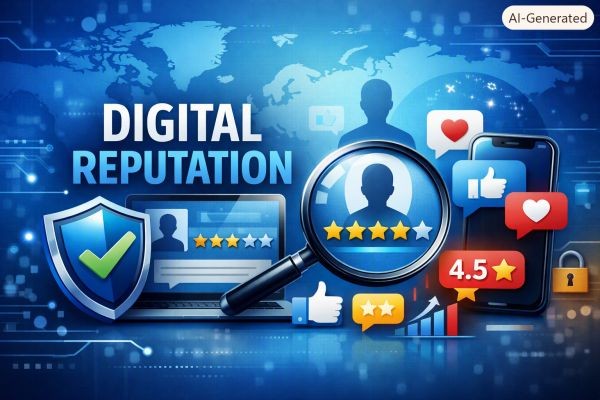
Your digital reputation is the overall impression created by your online presence.
It includes:
- Social media profiles
- LinkedIn activity
- Personal websites
- Online portfolios
- Blog articles
- GitHub repositories
- Public comments
- Videos and podcasts
- Professional communities
- Search engine results
Even if you rarely post, your online activity contributes to the story others see.
Sometimes, what doesn't appear online can be just as noticeable as what does.
Why Employers Search Candidates Online
Hiring someone is a significant investment.
Recruiters want confidence that a candidate will represent the company professionally.
Looking at public online information can help them understand:
- Communication style
- Professional interests
- Industry knowledge
- Creativity
- Leadership potential
- Consistency between resume and public work
This isn't always about finding mistakes.
Often, it's about discovering strengths that a one-page resume can't fully showcase.
LinkedIn Has Become Your Digital Business Card
If resumes open the conversation, LinkedIn often keeps it going.
Recruiters frequently look for:
- A professional photo
- Clear career summary
- Updated experience
- Skills and certifications
- Recommendations
- Projects
- Thoughtful posts or comments
An active LinkedIn profile signals that you're engaged with your profession and interested in continuous learning.
Your Digital Footprint Never Really Disappears
Many people assume that deleting a post erases it forever.
In reality, screenshots, archived pages, and cached search results can preserve online content long after it's removed.
That's why digital reputation is built over time.
Each post, comment, and interaction contributes to how others perceive you.
Thinking before posting has become more valuable than ever.
Personal Branding Matters More Than Job Titles
Today's employers increasingly hire people who demonstrate expertise—not just list it.
Personal branding isn't about becoming an influencer.
It's about consistently sharing your interests, knowledge, and professional growth.
For example, a software developer might publish coding projects.
A marketing professional could share campaign insights.
A designer might showcase creative work.
These activities create evidence of skills rather than simply claiming them.
Employers Also Look for Soft Skills
Technical ability gets interviews.
Soft skills often secure offers.
Online activity can reveal qualities such as:
- Communication
- Problem-solving
- Professionalism
- Curiosity
- Collaboration
- Respect for others
Constructive discussions and thoughtful contributions often leave stronger impressions than perfect resumes alone.
Social Media Can Help or Hurt
Social media isn't automatically a disadvantage.
Many employers appreciate candidates who demonstrate:
- Creativity
- Leadership
- Volunteer work
- Public speaking
- Community involvement
- Industry passion
Problems usually arise when public profiles consistently display:
- Offensive language
- Harassment
- Hate speech
- Illegal behavior
- Confidential workplace information
- Unprofessional interactions
Professionalism online matters because employers may associate public behavior with workplace conduct.
Google Is Often the First Interview
Try searching your own name.
What appears first?
- LinkedIn?
- Personal website?
- News articles?
- Social media?
- Old forum posts?
- Nothing at all?
This simple search offers a preview of what recruiters may see.
Managing your search results has become an important part of career development.
Your Portfolio Speaks Louder Than Your Resume
More employers now prioritize proof over promises.
Instead of saying you're skilled, show it.
Examples include:
- Coding repositories
- Writing samples
- Design portfolios
- Research papers
- Presentations
- Case studies
- Open-source contributions
- Video demonstrations
A strong portfolio often creates more confidence than a long list of buzzwords.
AI Is Changing Recruitment
Artificial intelligence is increasingly supporting recruiters by helping organize applications, identify relevant skills, and match candidates to job requirements.
However, hiring decisions still depend on human judgment in many organizations.
A strong digital reputation complements—not replaces—a well-written resume and successful interview.
Building a Positive Digital Reputation
Creating a professional online presence doesn't require thousands of followers.
Small, consistent actions matter.
Consider:
Optimize Your LinkedIn Profile
Keep it updated with recent achievements, certifications, and projects.
Share Valuable Content
Comment thoughtfully on industry trends.
Share insights from books, courses, or conferences.
Create a Portfolio
Whether you're a student or experienced professional, showcasing real work builds credibility.
Keep Learning Publicly
Document projects, certifications, and learning milestones.
People appreciate visible growth.
Review Privacy Settings
Separate personal content from professional visibility where appropriate.
Common Mistakes That Damage Digital Reputation
Avoid these common pitfalls:
- Posting emotionally during conflicts
- Sharing confidential workplace information
- Using offensive language publicly
- Leaving disrespectful comments
- Ignoring outdated professional profiles
- Having inconsistent career information across platforms
Small online habits can influence long-term professional opportunities.
Students Should Start Early
You don't need years of experience to build a digital reputation.
Students can:
- Publish projects on GitHub
- Write technical blogs
- Complete online certifications
- Participate in hackathons
- Share learning journeys on LinkedIn
- Build simple personal websites
Starting early creates a strong foundation before entering the job market.
Authenticity Matters More Than Perfection
Some people believe they need a flawless online image.
That's unrealistic.
Employers generally understand that people are human.
What matters more is authenticity, professionalism, and evidence of continuous growth.
A profile that genuinely reflects your interests and values often feels more trustworthy than one trying to appear perfect.
The Future of Hiring
The hiring process will continue evolving.
Resumes will remain important, but they'll increasingly be viewed alongside:
- Online portfolios
- Professional communities
- Digital credentials
- Public projects
- Verified skills
- Personal branding
In many industries, your online presence may become the first interview—long before you ever meet a recruiter.
Final Thoughts
The modern job market extends far beyond a single-page resume.
Every blog you publish, project you complete, thoughtful comment you leave, and skill you share contributes to your professional identity.
Your digital reputation isn't about chasing likes or becoming famous.
It's about building trust.
When employers search your name, they want to see more than qualifications.
They want evidence that you're curious, reliable, respectful, and capable of creating value.
In today's connected world, your online presence has become a living portfolio that evolves with every interaction.
Because in 2026, your resume tells employers what you've done—but your digital reputation shows them who you are becoming.
Frequently Asked Questions (FAQs)
1. Do employers really search candidates online?
Yes. Many recruiters review publicly available information such as LinkedIn profiles, portfolios, and professional work to better understand candidates alongside their resumes.
2. Is LinkedIn enough for a strong digital reputation?
LinkedIn is important, but portfolios, GitHub projects, personal websites, blogs, certifications, and other professional contributions can strengthen your online presence.
3. Should I delete all my social media accounts?
Not necessarily. Instead, review your privacy settings, remove content that no longer reflects you professionally, and use public profiles thoughtfully.
4. How can students build a digital reputation?
Students can showcase academic projects, participate in competitions, earn certifications, contribute to open-source projects, write about what they learn, and maintain an updated LinkedIn profile.
5. What is the biggest mistake people make online?
A common mistake is assuming online content has no long-term impact. Public posts, comments, and interactions can shape how employers, clients, and collaborators perceive you for years to come.